


How to Lay Turf in Summer
Are you wondering how to lay turf in hot weather? Or maybe you’re unsure whether laying turf in summer is a good idea altogether?
Many homeowners assume they have missed the chance to lay turf once spring has passed and that they must wait until autumn. However, turf can be laid throughout the year, provided the ground is not frozen or waterlogged.
With over two decades of experience growing premium turf, we know what it takes to achieve a lush, healthy lawn, even in hot weather. From preparing the ground before laying to laying the turf immediately after it is delivered and watering it correctly, follow our advice to give your lawn the best chance of thriving so you can enjoy a beautiful lawn for years to come.
Speed Is Everything When Laying Turf in Summer
You definitely can lay turf in summer, but you need to be quick.
Turf is a living, perishable product. Once it has been harvested and rolled up, the heat can build up inside the pallet, drying the turf out. If left for too long, it will start to deteriorate, turning yellow or brown. In more severe cases, it can even turn dark brown, smelly, and mouldy. This is a sign that the turf has died and is unlikely to recover.
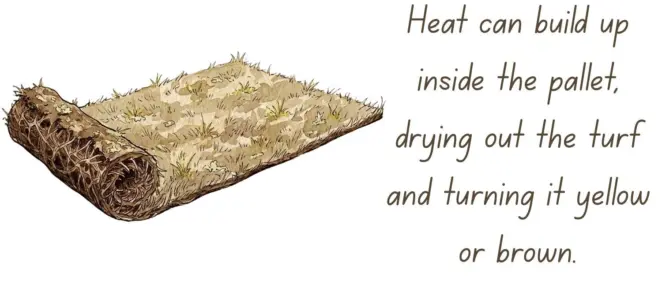
Here at Online Turf, all of our turf, including our best-selling Rye Gold Turf, is cut to order to ensure it arrives as fresh as possible However, no matter how fresh or durable the turf is, speed is everything, so make sure to lay it as soon as possible and never water turf while it is stacked on the pallet. This creates a hot, steamy atmosphere that speeds up decomposition.
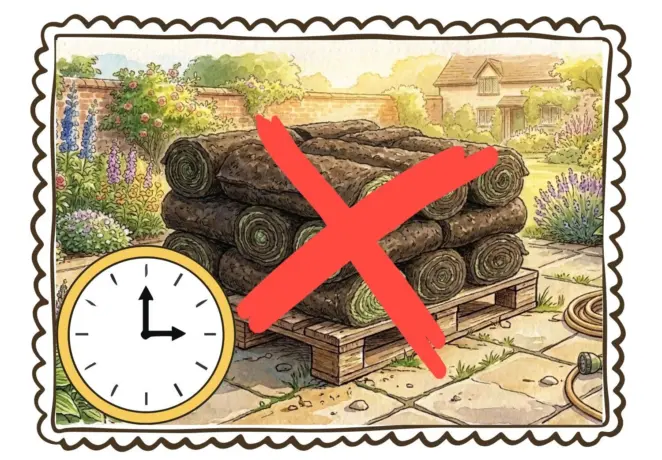
Rule 1: Prepare the Ground Before Delivery
In summer, laying your new lawn as quickly as possible is key. This is especially true if you are laying turf in July, as according to the Met Office, ‘July is typically the warmest month’ in the UK.
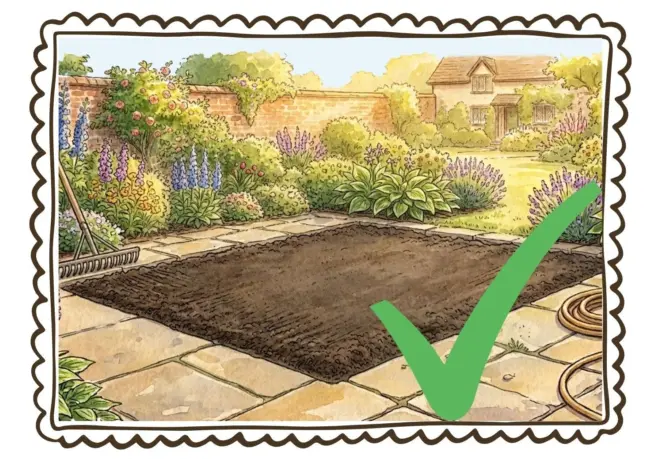
For this reason, it's important that your ground is fully prepared before your turf arrives. This allows you to start laying it straight away, rather than leaving it sitting on the pallet in the heat.
Start by removing your old lawn, along with any weeds, stones, or other debris. Then, turn the soil over to a depth of 15 cm. If you are struggling with this step, add some good-quality topsoil. Once this is done, rake the soil in different directions until it is smooth and level. While shallow dips and rises are fine, steep ones will make mowing difficult. Finally, lightly and slowly walk heel-to-toe over the area to spot any soft patches, then rake them level. Keep doing this until the soil feels firm but not compacted.
Ideally, you should do this a few days before laying turf. This will allow the soil to settle and give you a chance to remove any new weeds that appear.
For step-by-step instructions on how to prepare your soil and lay your turf, visit our 'How to Lay Turf: The Ultimate Guide'.
Rule 2: Unstack the Pallet Immediately
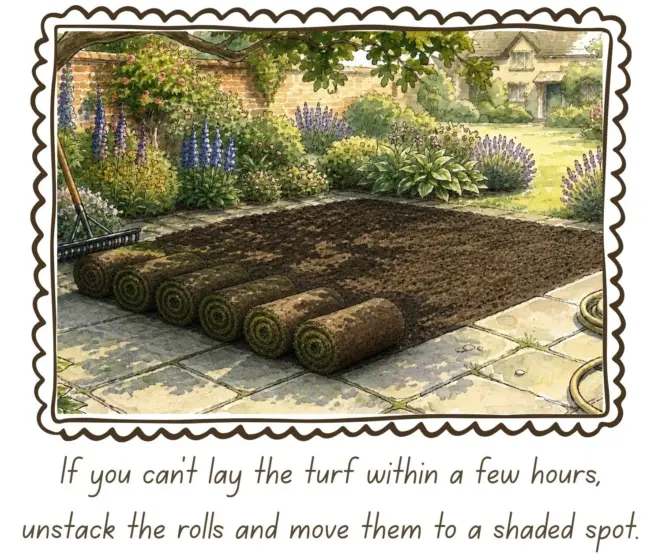
Once you receive your turf, the first thing you should do is unwrap the pallet. If you know you won't be able to lay all of the turf within a few hours, unstack the rolls and move them to a cool, shaded spot. This allows the grass to breathe and prevents heat from building up inside the rolls.
One of the most common turfing mistakes we see is leaving turf stacked on the pallet for too long. Even if the grass looked healthy when it arrived, trapped heat can quickly cause it to overheat, dry out, and turn brown before it has even been laid.
If you'd like to avoid other common mistakes that can affect your new lawn, take a look at our ‘Common Turfing Mistakes’ blog.
Rule 3: The Golden Rule of Summer Watering
As soon as your turf has been laid, give it a good watering, ensuring the water soaks through to the ground below. This can be checked by peeling back a corner of the turf and touching the soil to make sure that it is damp. This is very important as shallow watering can encourage shallow roots, making your lawn less resistant to drought, temperature changes, and foot traffic in the future.
Watering new turf in summer properly is key to its establishment, so make sure it does not dry out during the first week. During hot and dry weather, this may mean watering it twice a day. In milder weather, watering once a day should be sufficient.

For the best results, water your turf in the morning or evening. With the sun lower in the sky and cooler temperatures, water evaporates more slowly, allowing moisture to soak into the soil more effectively. However, if you notice that your turf is curling at the edges, lifting, or changing colour, water it immediately. These are common signs that it is not getting enough water.
While the first week is the most critical, continue watering your turf regularly until it has rooted properly. To check this, try gently lifting one corner of the turf. If the roots are attached or you feel resistance, your turf has rooted. Once established, you can gradually reduce watering and simply water during prolonged hot, dry spells as part of your regular summer lawn care.
Should I Fertilise Summer Turf?
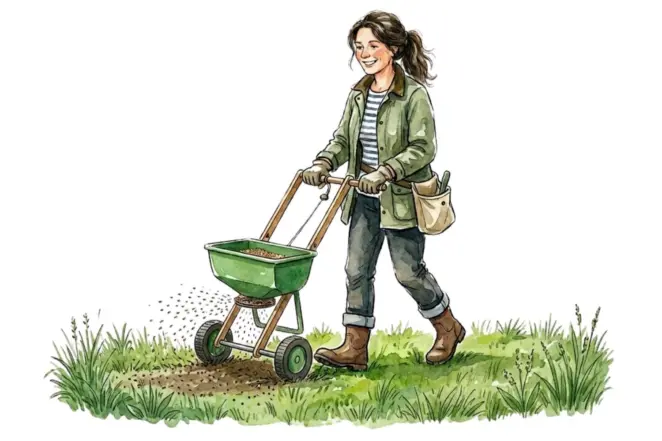
The answer is yes, you should fertilise your turf as part of your regular summer lawn care routine. However, this should only be done once your lawn has rooted in properly. Otherwise, it is best to hold off on feeding it and focus on regular watering instead.
To fertilise your lawn, choose a feed made specifically for summer, as these are high in nitrogen. Nitrogen promotes vibrant, dense foliage, while other nutrients encourage deeper roots. This makes your lawn more drought-resistant and better equipped to handle hot weather.
Fertilise your lawn as soon as it starts looking pale or patchy. Avoid doing this in very hot weather, as it can cause fertiliser burn if not watered in correctly, turning your turf brown and damaging it. Instead, choose a milder day and water it in generously.
Ready for a Summer Garden Transformation?
So, can I lay a new lawn in summer? Absolutely.
For best results, make sure to prepare the ground in advance, lay your turf as soon as it arrives, and water it correctly so that it doesn’t dry out.
Make sure you buy from a supplier that cuts turf fresh to order, such as ourselves, so it arrives in the best possible condition and gives your new lawn the healthiest possible start.
Are you ready to transform your garden? Browse our full range of turf products today and create a lawn you’ll love for years to come.